Concrete is exceptionally strong and can be readily molded into various shapes and forms, but it also absorbs water (which can lead to decay), is a very poor thermal insulator and is exceedingly heavy – all critical properties that can be improved by the addition of CityMix.
Manufacturers across the United States are looking for ways to improve sustainability.
CityMix exists to solve two related sustainability problems:
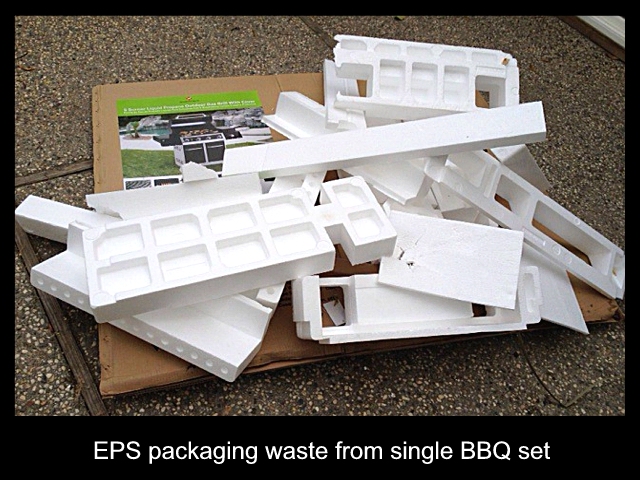
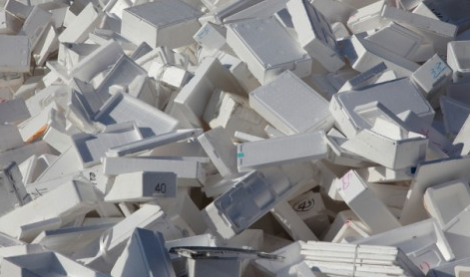
- Expanded polystyrene, commonly known as EPS or Styrofoam, is one of the largest volume waste materials in North American landfills, and it doesn’t break down.
- Concrete’s weight requires considerable materials at a time when these materials are becoming more expensive and in less supply.
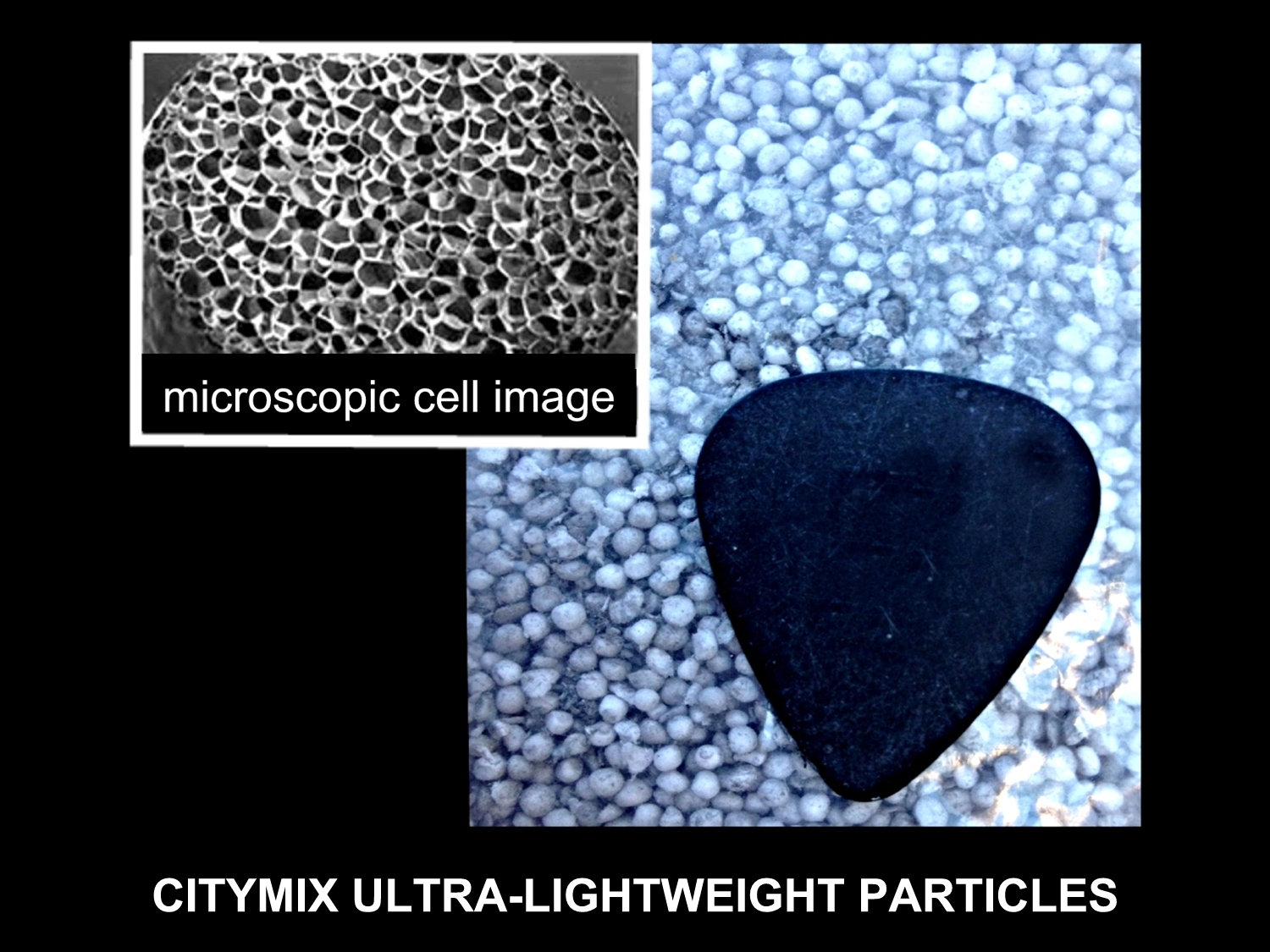
CityMix converts that waste into a lightweight concrete additive instead, replacing a portion of the mined sand and gravel that concrete, stucco, and masonry manufacturers would otherwise need.
The finished material is approximately 99 percent recycled EPS by volume, making it, to the best of our knowledge, the greenest lightweight concrete additive commercially available.
Why Lightweight Aggregates Have an Environmental Cost of Their Own
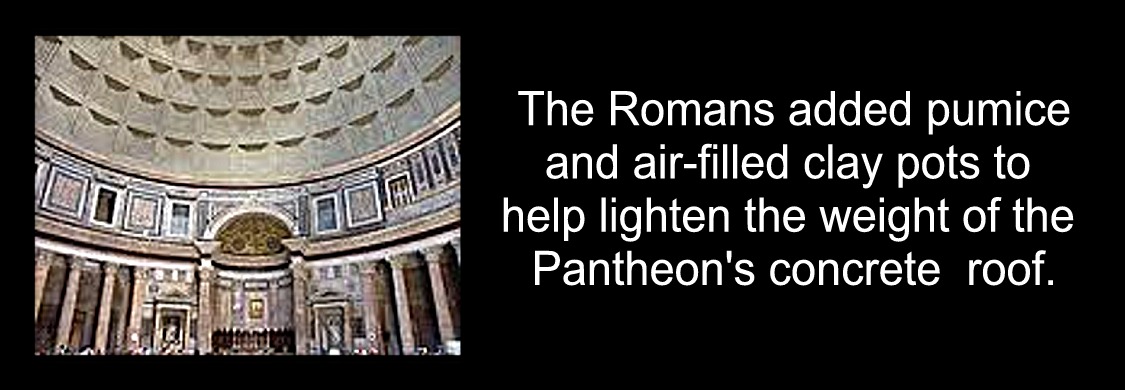
Builders have looked for ways to lighten concrete since the Roman era, when volcanic materials like pumice and scoria were used to reduce weight. Modern lightweight aggregates have expanded that list to include perlite, expanded clay, shale, and slate, along with industrial byproducts like recycled glass, slag, and flyash.
Nearly all of these materials share environmental drawbacks: they have to be mined or manufactured, and the deposits that produce them exist in limited geographic regions. Manufacturers that don’t operate near one of those regions absorb the transportation impact of shipping heavy material long distances, in addition to whatever mining or manufacturing footprint the material carries in the first place. Some of the mines producing these materials are also running low on consistent, high-quality supply, a genuine resource depletion problem rather than just a business inconvenience.
What Makes CityMix Different
CityMix requires no mining and no quarrying. The material comes from EPS waste that already exists, packaging foam, insulation trim-off from job sites, and foam removed from buildings at the end of their life, converted into a usable aggregate substitute instead of sitting in a landfill indefinitely.
That difference shows up in weight, too. Because CityMix weighs roughly 3 pounds per cubic foot compared to 90 to 100 pounds for conventional fine aggregates, less material has to be shipped to reach the same volume, which reduces the transportation footprint of the finished concrete product on top of the recycling benefit itself.
What This Means for LEED Projects
Recycled content and reduced material weight are both factors LEED evaluates under its Materials and Resources credit categories. CityMix itself isn’t LEED certified, since certification applies to completed buildings and projects rather than individual materials, but a concrete, stucco, or masonry product manufactured with CityMix can contribute toward a project’s recycled content documentation.
Manufacturers working on LEED-targeted projects can contact CityMix’s technical team directly to discuss what documentation is available for a specific product line.
CityMix, Inc. helps manufacturers reduce both the environmental footprint and the weight of their concrete, stucco, and masonry products at the same time, without giving up the performance characteristics those products need to meet. For more on how CityMix performs against code and engineering requirements, see our technical specifications, or contact our team at (916) 765-9290 to discuss a specific product line.
LEED
- LEED – LEED certification assistance information